

- How much does a new water connection cost in Hyderabad?
- The charge that dwarfs the connection fee
- The condition that stops the release
- Sewerage is not optional either
- What the Board asks you to produce
- The deposit and the running bill
- When each step should happen in the build
- What goes wrong, and what it costs
- Sizing storage honestly
- How we handle this at Simfy Homes
- When we are not the right fit
- Frequently asked questions
Your water connection is priced by the size of your plot, not by how much water your family will use. Almost nobody is told this until the demand note arrives.
It is one of the few charges in a build where a larger plot costs more for exactly the same service, and where a decision made on the day the plot was bought — how far your gate sits from the nearest main — can turn a modest fee into a six-figure one.
This guide sets out what HMWSSB actually asks for, where the money goes, the one condition that stops a release even when everything else is paid, and when in the build each step should happen. It sits alongside our notes on rainwater harvesting in Hyderabad and on borewells, which are the other two legs of the same water plan.
How much does a new water connection cost in Hyderabad?
It depends on how big your plot is and how wide the incoming pipe is. HMWSSB sets a 15 mm domestic connection at ₹2,500 for plots up to 200 sq m, and at ₹8,250 plus ₹82.50 for every square metre above that, for plots in the 201 to 300 band.
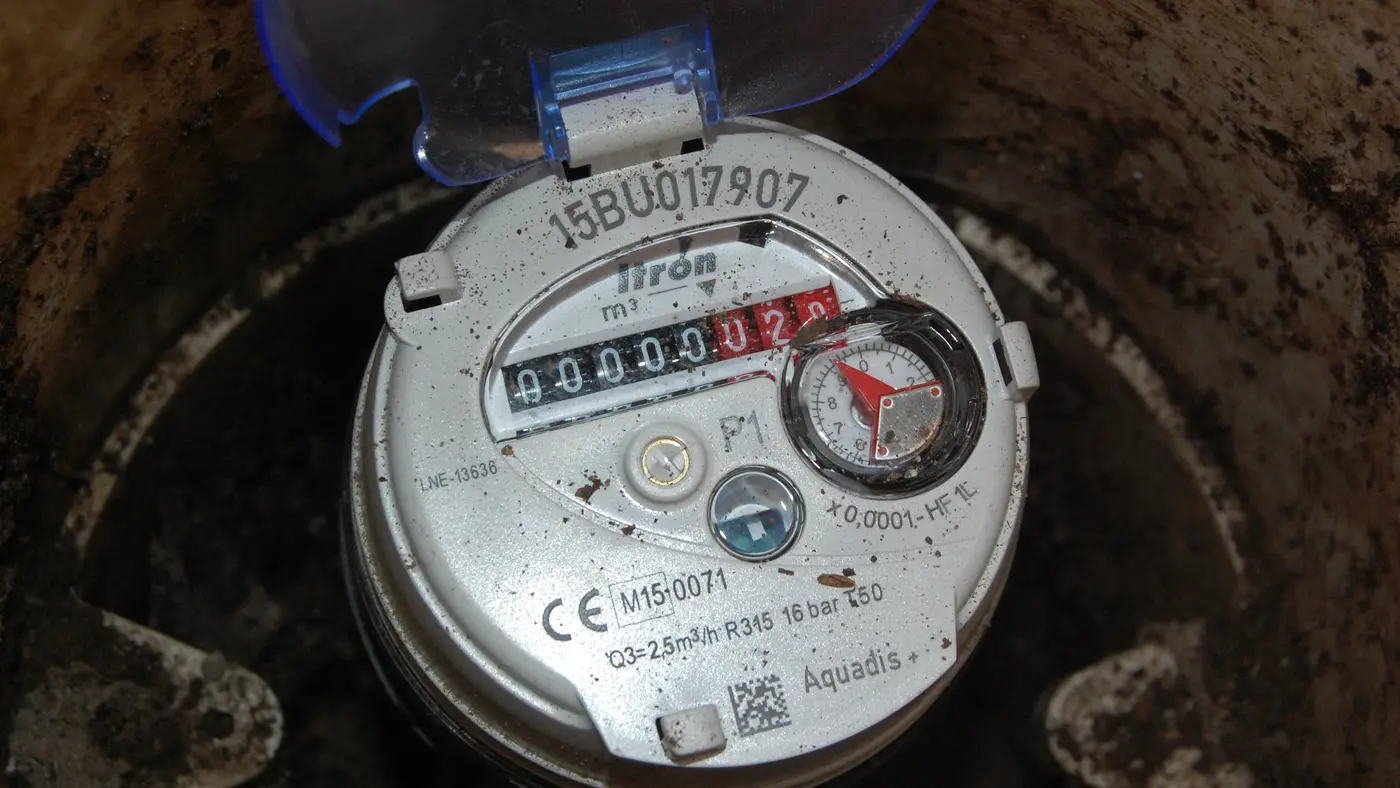
Go up a size and the arithmetic changes shape. HMWSSB puts a 20 mm connection at ₹15,000 for plots up to 200 sq m, with ₹150 for each additional square metre after that, capped at ₹72,000.
The cap is worth noticing. It means the charge climbs steeply through the middle sizes and then flattens, so a very large plot and a merely large one can pay the same. It also means the jump from 15 mm to 20 mm is a real decision with a real number attached, not a detail to leave to a plumber.
| Connection | Plot up to 200 sq m | Larger plots |
|---|---|---|
| 15 mm (½ inch) | ₹2,500 | ₹8,250 + ₹82.50 per extra sq m in the 201-300 band |
| 20 mm (¾ inch) | ₹15,000 | +₹150 for each further sq m, capped at ₹72,000 |
The charge that dwarfs the connection fee
Road cutting. HMWSSB lists trenching across a cement concrete road at ₹1,844 per running metre, before GST and labour cess.
Read that as a site fact rather than a fee. If the water main runs along the far side of a wide concrete road, the trench crosses the full width, and the charge is the width multiplied by that rate. Twenty metres of CC road is roughly ₹37,000 of cutting on its own, dwarfing a ₹2,500 tap.
This is a thing to look at when you are still choosing between plots, not when you are applying. Where the nearest main sits, what the road surface is, and how far the trench has to run are all visible on a site visit and all invisible in a brochure. Our plot buying checklist for Hyderabad covers the other services worth walking before you commit.
The condition that stops the release
The recharge pit has to exist. HMWSSB states that it is mandatory to construct a water harvesting structure within your premises for recharging ground water, and the connection is not released until it is there.
Owners hit this at the worst possible moment. The house is finished, the family is ready to move, everything is paid, and the release is held for a pit that takes a few days to build but has to be dug in a garden that has just been landscaped.
Built at the right time it is a trench and a filter bed during the shell stage, positioned where the roof drains want to go anyway. Built at the end, it is a rebuilt garden. Nothing about the requirement changes — only what it costs you.
Sewerage is not optional either
The sewerage connection is taken alongside the water one. HMWSSB sets a 100 mm domestic sewerage connection at ₹1,250 for premises up to 80 sq m, with per-square-metre charges above that.
Treat the two as one application and one trench where the layout allows it, because opening the same road twice is the version that costs twice. The order of the two lines, their depths and the position of the inspection chamber are drawing decisions, and they are cheap to get right on paper.
What the Board asks you to produce
- Identity. Voter ID or Aadhaar for the applicant.
- Title. A copy of the registered deed, or an affidavit where that applies.
- Address proof. An electricity bill, GHMC tax receipt, gas bill or bank account in HMWSSB’s list.
- Occupancy certificate. Required, with HMWSSB treating it as optional only for plots up to 100 sq m and heights up to 7 metres.
- Indemnity bond. On the Board’s own format.
- Photographs. Recent images of the building as built.
The occupancy certificate line is the one that catches large homes. A bespoke house on a good plot is well past those figures, so the certificate is not optional, and the certificate has its own dependencies — which in Telangana now include the cool roof rules covered in our note on keeping a house cool in Hyderabad.
The deposit and the running bill
HMWSSB requires a deposit equivalent to two months of consumption charges, together with the applicable sewerage cess at current rates.
Because it is set against estimated consumption rather than a flat figure, a large household with a garden and a soft water plant will lodge a larger deposit than a small flat. It is a one-time payment held against the account rather than a fee, which is a useful distinction when a contractor presents it inside a lump sum.
Sewerage cess rides on the water bill, so a decision that reduces metered draw reduces both. That is the quiet argument for a recharge pit and a well-planned storage layout: the saving is not on one bill line but on two.
When each step should happen in the build
| Stage | Water task |
|---|---|
| Before buying the plot | Walk the road. Find the main, the road surface and the trench length. |
| Drawing stage | Fix the tap size, meter position, sump, recharge pit and sewer line together. |
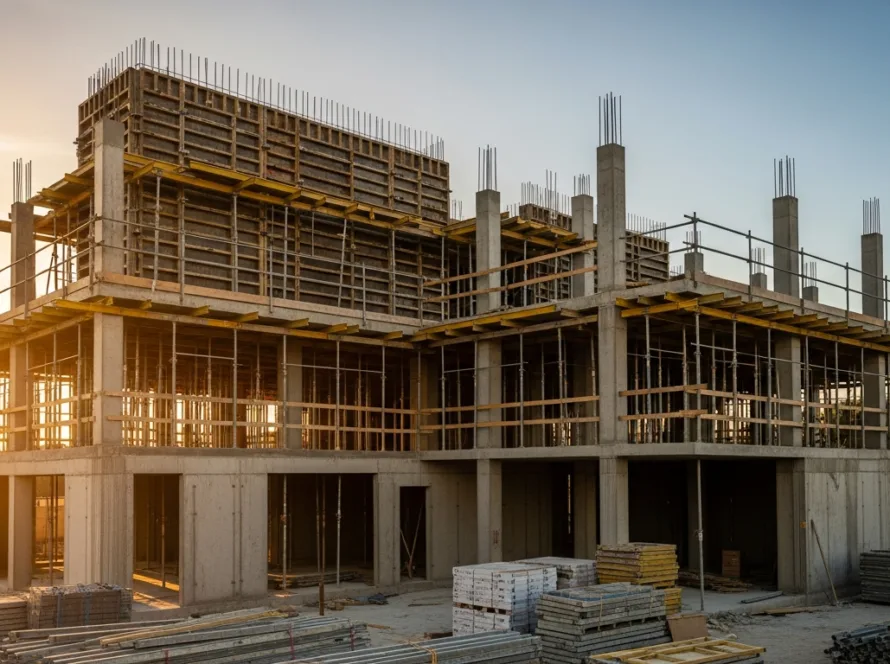
| Shell stage | Build the recharge pit while there is still open ground and a machine on site. |
| Finishing stage | Assemble the file: deed, identity, indemnity bond, photographs. |
| After occupancy certificate | Apply, pay the demand note, take water and sewerage in one trench. |
Sump, tank, harvesting structure, borewell and sewer belong on one drawing before any ground is opened.
What goes wrong, and what it costs
- Recharge pit left to the end. A release held over a few days of digging in a finished garden.
- Road cut twice. Water and sewerage applied for separately, so the same trench is paid for and reinstated twice.
- Tap size chosen late. A 15 mm line laid to a house that needed 20 mm, then upgraded after the compound wall and driveway are done.
- Meter position not drawn. The meter ends up where the plumber found room, not where it can be read or isolated.
- Occupancy certificate assumed. The application is prepared before the certificate is in hand, and everything waits on it.
- Sump sized by habit. Storage copied from the last project rather than sized for this family, this garden and this supply pattern.
Sizing storage honestly
Storage is sized for how long the supply can fail, not for how many people live there.
The household number sets your daily draw. The reliability of supply in your locality sets how many days of that draw you need to hold. Those are two different questions, and the second one is answered by asking neighbours who have lived on the street for a few years rather than by a formula.
A large home usually ends up with an underground sump, an overhead tank and a pump between them. The sump position interacts with the recharge pit, the borewell if there is one, and the sewer run, so all four are placed together on one drawing or they end up fighting each other in a small side setback.
How we handle this at Simfy Homes
Water is a single plan on our jobs, not four separate trades. Sump, overhead tank, recharge pit, borewell if there is one, meter position and the sewer line are drawn together before any excavation, with the trench route to the road settled at the same time so one cut serves both services.
The pit itself goes in during the shell stage, photographed layer by layer before it is covered, because that is the only moment anyone can verify it. The documents file is assembled through finishing rather than after it. If you are planning a home in Hyderabad and want the services settled before the ground is broken, talk to our team.
When we are not the right fit
If the house is already built and you simply need the application filed, a local liaison agent will do that faster and for less than we would. What we are for is the earlier decision — the plot walked before purchase, the services drawn before excavation, and the structures built while the ground is still open. Once the driveway is laid, most of the value we could have added is under it.
Frequently asked questions
How much is a new HMWSSB water connection?
For a 15 mm domestic tap, HMWSSB sets ₹2,500 for plots up to 200 sq m, and ₹8,250 plus ₹82.50 per extra square metre in the 201 to 300 band. A 20 mm tap starts at ₹15,000 and adds ₹150 for each further square metre, capped at ₹72,000.
Why does the charge depend on my plot size?
Because the Board’s schedule is written that way — the fee scales with plot area rather than with metered usage, which is why two households with identical consumption can pay very different connection charges. The running bill is a separate matter and does follow usage.
What is the road cutting charge?
HMWSSB lists cement concrete road trenching at ₹1,844 per running metre, exclusive of GST and labour cess. It is charged on the length actually cut, so a main on the far side of a wide road can cost several times the connection fee itself.
Do I need a recharge pit before I get water?
Yes. HMWSSB states it is mandatory to construct a water harvesting structure within the premises for recharging ground water, and the connection is not released without it. Building it during the shell stage rather than after landscaping is the difference between a routine job and a rebuilt garden.
Is an occupancy certificate compulsory for the connection?
For a large home, effectively yes. HMWSSB treats it as optional only for plots up to 100 sq m with a height up to 7 metres, which no bespoke house on a reasonable plot will fall within.
How much is the security deposit?
HMWSSB requires a deposit equal to two months of consumption charges plus the applicable sewerage cess at current rates. It is held against the account rather than spent, so it should appear as a deposit in any contractor’s statement, not as a fee.
Should I take a 15 mm or 20 mm connection?
It follows the household’s peak demand, the height water has to be lifted and the storage arrangement, and it should be decided with the plumbing layout rather than at application time. The price difference is significant, and upgrading afterwards means re-cutting ground that by then has a driveway on it.
Can I rely on a borewell instead?
Not as a plan. Groundwater levels in the city have been falling, permission rules apply to new wells, and a well is a supplement to a metered supply rather than a replacement for one. Our note on borewells in Hyderabad sets out what the law asks for before drilling.
One accountable team from the first sketch to handover, with the things that get buried photographed before they are covered.