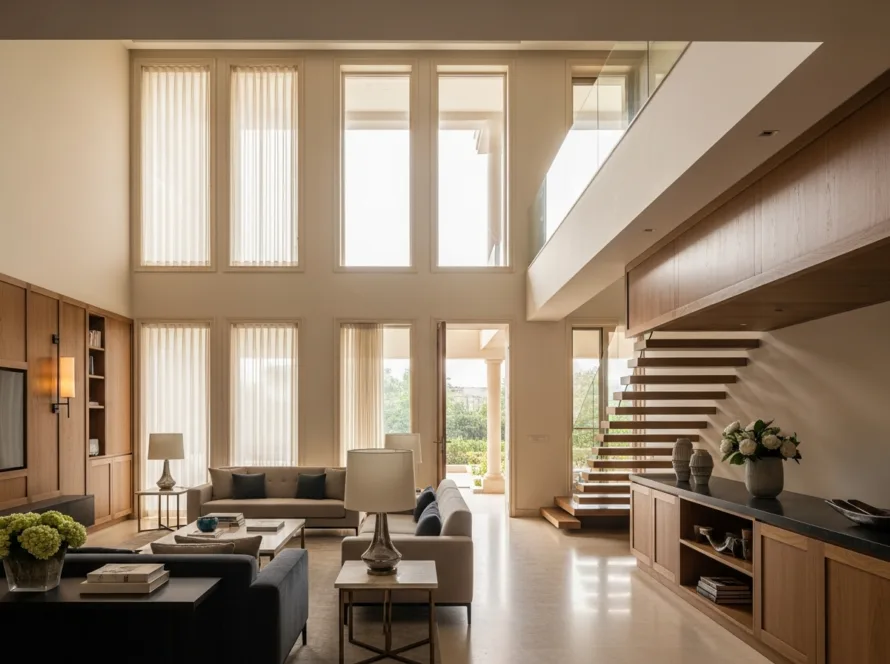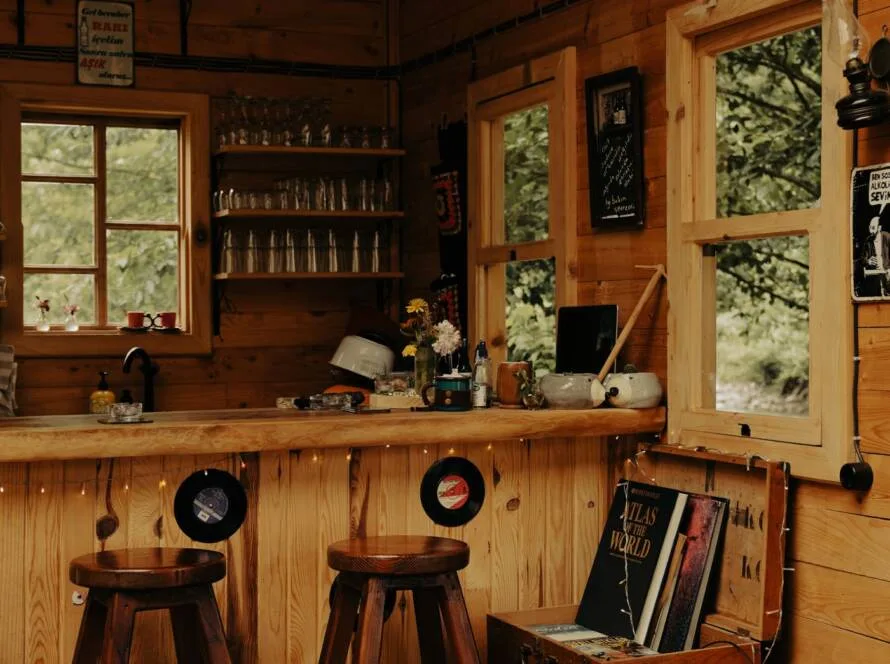


The pooja room is the one space in an Indian home that is not measured in square feet. It can be a whole room or a single niche in a wall, and either can feel sacred — or neither will, if it is treated as an afterthought squeezed in once every other room is decided. The difference is never size. It is light, quiet, and the care taken to give the space a little separation from the rush of the house.
This is pooja room design explained the way we plan it in real homes — where to place it, which direction to face, how to bring in light and air, the materials that feel right, and the small mistakes that quietly spoil the feeling. Plain words, real detail, so your pooja space feels calm and considered whether it is a room or a recess.
- The short answer
- Where to place a pooja room
- Direction and how you face
- Designing the space: light, air, storage
- Lighting a pooja room
- Materials and finishes
- Types of pooja spaces
- Ideas for apartments and compact homes
- Small mistakes to avoid
- A pooja room checklist
- Pooja room design in Hyderabad
- Common questions
The short answer
Whether your pooja space is a full room or a small niche, those same principles carry it. The rest of this guide shows you how to apply them to your home.
Where to place a pooja room
The favoured location is the north-east corner of the home — the direction that receives the first, softest light of the day, which is why it is treated as the most sacred part of the house. If the north-east is not possible, the east or north are good alternatives.
Just as important is what a pooja room should be kept away from. It should never share a wall with a toilet, sit directly below a staircase, or be placed in a basement. These are where reverence and simple common sense agree, and all of them are easy to get right if the pooja space is planned early — not carved out of whatever corner is left at the end. Placement is best weighed alongside the rest of the home’s Vastu, so the sacred corner and the living rooms both get the light they want.
Direction and how you face
Two directions matter: where the room sits, and which way you face while praying. The guidance is to face east or north during prayer, so the idols are placed on the east or north wall of the space and you face them.
Idols are traditionally kept a little away from the wall rather than flush against it, raised on a platform rather than at floor level, and never facing directly into a door. None of this needs to be rigid or anxious — the point is a space that feels deliberately arranged rather than improvised. A pooja area that is thought through in direction and height simply feels more settled to sit in each morning.
Designing the space: light, air, storage
Beyond direction, three practical things decide whether a pooja space feels good to use every day: light, air and storage. Get these right and even a small niche feels serene; ignore them and even a large room feels wrong.
- Soft natural light. A small window or a well-placed source of daylight makes the space feel alive in the morning — far better than relying only on artificial light.
- Gentle ventilation. Lamps, incense and camphor produce smoke; a little airflow or a small vent keeps the space and its ceiling clean and pleasant.
- Quiet, tidy storage. A place for lamps, books, oil and daily items, so the space stays uncluttered and calm rather than crowded.
These are humble needs, but they are exactly what separate a pooja room people love to sit in from one that looks fine in a photo and feels stuffy in use. Comfort and calm are designed in, not added later.
Lighting a pooja room
Light does more for a pooja space than any material. The right lighting makes a small niche feel sacred; the wrong lighting makes a beautiful room feel like an office shrine. The aim is always warm and layered, never a single flat tube light overhead.
Good pooja lighting usually combines a soft, warm general glow with a gentle accent on the idols — a concealed strip above, a warm spot, or a traditional hanging lamp — so the deities are the brightest, calmest point in the space. Cool white light drains the warmth out of a pooja room instantly; warm light brings it back. As with every part of the home, the wiring points are cheap to place during construction and a nuisance to add afterward, so the lighting should be decided when the space is designed, not left to the last coat of paint.
Materials and finishes
Materials set the mood. The pooja spaces that feel timeless tend to use a small, honest palette rather than a lot of ornament — the restraint is what reads as reverent.
Wood is the natural heart of most pooja spaces, warm and traditional, whether as a carved mandir, a simple frame or clean shelving. Stone or marble gives a cool, calm, easy-to-clean base and feels grounded. Brass and traditional metals add warmth in lamps, bells and small details. The trick is to let one or two materials lead and keep the rest quiet; a pooja space crowded with competing finishes loses exactly the stillness it is meant to hold. Simple, well-made and calm always outlasts busy and ornate.
Types of pooja spaces
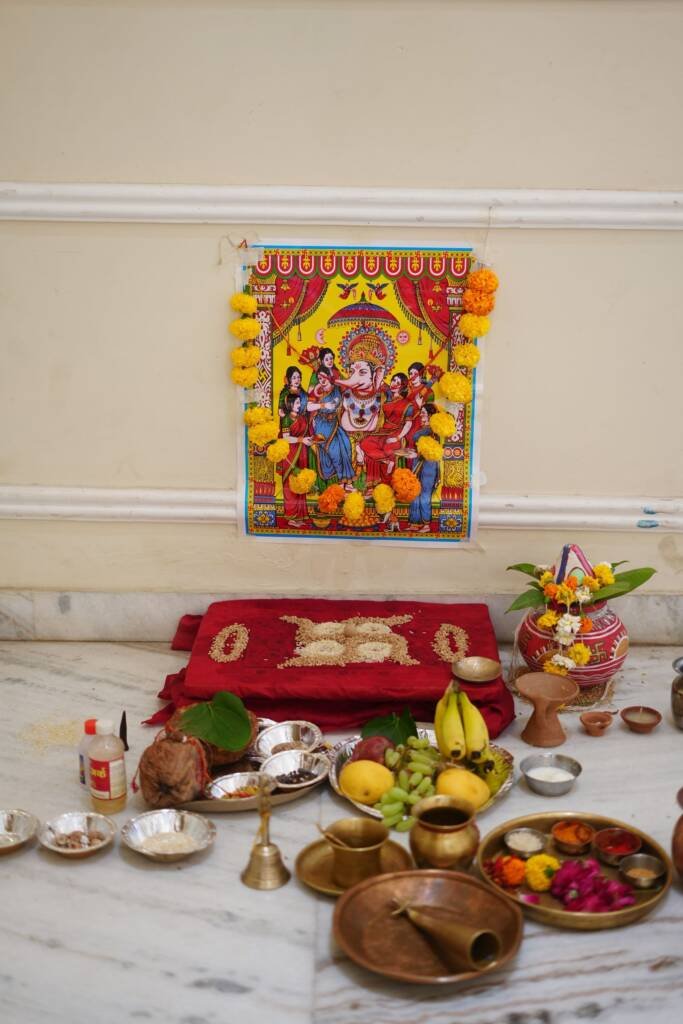
A pooja space can take many forms depending on your home and how much room you have. Every one of them can feel right when designed with care.
| Type | Best for | What to get right |
|---|---|---|
| Separate pooja room | Larger homes and villas | Direction, natural light, ventilation and a clear threshold |
| Pooja niche in a wall | Compact homes and apartments | Placement away from bathrooms, warm accent lighting |
| Wooden mandir unit | Flexible, any home | Quality of craft, right height, quiet storage below |
| Under-stair or corner shrine | Very tight spaces (with care) | Avoid directly under a used staircase; keep it dignified, not squeezed |
| Open ledge or console | Modern, minimal homes | Restraint, a calm backdrop, and separation from daily clutter |
Ideas for apartments and compact homes
Not every home has room for a separate pooja room, and it does not need one. A well-designed niche can feel more sacred than a large, neglected room — the feeling comes from care, not floor area.
In a compact home, the moves that work are simple: carve a niche into a wall in the north-east or east rather than stealing a corner of the kitchen or a passage; give it a warm backlight so it glows softly in the evening; use a calm backdrop — a single stone or wood panel — to set it apart from the room around it; and keep daily clutter out with a small concealed shelf below. The goal is a moment of stillness in a busy flat, and that is achieved with placement and light far more than with size.
Small mistakes to avoid
Most pooja spaces that feel wrong are spoiled by a few small, avoidable errors rather than any big one.
- Sharing a wall with a bathroom or sitting directly under a used staircase — the placements to avoid first.
- Harsh, cool-white lighting that drains all the warmth out of the space.
- No ventilation, so lamp and incense smoke blackens the ceiling and the air feels heavy.
- Over-decoration, crowding the space with ornament until the calm it is meant to hold disappears.
- Treating it as an afterthought, squeezed into leftover space instead of planned with the home.
A pooja room checklist
Before you finalise a pooja space, run through these — they are quick to fix on a drawing and hard to change once built.
- Direction: north-east if possible, facing east or north during prayer.
- Away from toilet walls, the underside of a used staircase, and basements.
- Natural light from a small window or source, if the plan allows.
- Ventilation for lamp and incense smoke.
- Warm lighting planned in, with wiring points set during construction.
- Quiet storage for daily items, so the space stays uncluttered.
- A calm, simple material palette — wood and stone rather than busy ornament.
Planning a home and want the pooja space done right?
We design and build under one team, so direction, light and finishes are planned together — and your pooja space feels calm, not squeezed in.
Pooja room design in Hyderabad
Pooja room ideas are national, but fitting one beautifully into your home is local. In Hyderabad homes — from apartments in Gachibowli and Kondapur to villas in Jubilee Hills and Kokapet — we plan the pooja space right alongside the floor plan, so the north-east corner it wants is not already taken by a bedroom or a bathroom by the time anyone thinks of it. On compact city plots, a well-placed niche often works better than forcing a full room, and the local love of natural stone and carved wood gives these spaces a warmth that suits the climate and the culture.
Because the pooja corner, the light and the Vastu all pull on the same few directions, it helps to plan them together from the first sketch. When the pooja space is designed as part of the full interiors and house construction in Hyderabad, the sacred corner and the living rooms both get the light and air they need, instead of competing for the same spot at the end.
Building in Hyderabad or Goa?
Talk to our team about your home — honest advice on giving your pooja space the right direction, light and calm from the start.
Common questions
Which direction should a pooja room face?
The pooja room is best placed in the north-east of the home, and you should face east or north while praying, so idols sit on the east or north wall. The north-east receives the first, softest light of the day, which is why it is treated as the most sacred corner. If the north-east is not possible, east or north are good alternatives.
Where should a pooja room not be placed?
Never share a wall with a toilet, sit directly below a used staircase, or place it in a basement. These are where reverence and common sense agree. All are easy to avoid if the pooja space is planned early with the home, rather than carved out of whatever corner is left at the end.
Can a pooja room work in a small apartment?
Yes, easily. A well-designed niche can feel more sacred than a large, neglected room, because the feeling comes from care, not floor area. Carve a niche in the north-east or east, give it warm backlighting, set it apart with a calm stone or wood backdrop, and add quiet storage below to keep daily clutter out.
What material is best for a pooja room?
Wood is the natural heart of most pooja spaces, warm and traditional, often paired with a stone or marble base that is calm and easy to clean, and brass details in lamps and bells. The key is restraint: let one or two materials lead and keep the rest quiet, so the space holds the stillness it is meant to.
How should a pooja room be lit?
Warm and layered, never a single cool-white tube light. Combine a soft general glow with a gentle warm accent on the idols so they are the calmest, brightest point in the space. Cool white light drains the warmth instantly. Place the wiring points during construction, since adding warm accent lighting afterward means chasing finished walls.
Does a pooja room need ventilation?
Yes. Lamps, incense and camphor produce smoke, so a little airflow or a small vent keeps the ceiling clean and the air pleasant. A pooja space with no ventilation blackens over time and feels heavy to sit in. A small window or vent, planned early, keeps the space fresh and calm for years.
Written by the Simfy Homes team. We design and build homes in Hyderabad and Goa under one accountable team. See our interior designers in Hyderabad and house construction in Hyderabad pages for how we work.