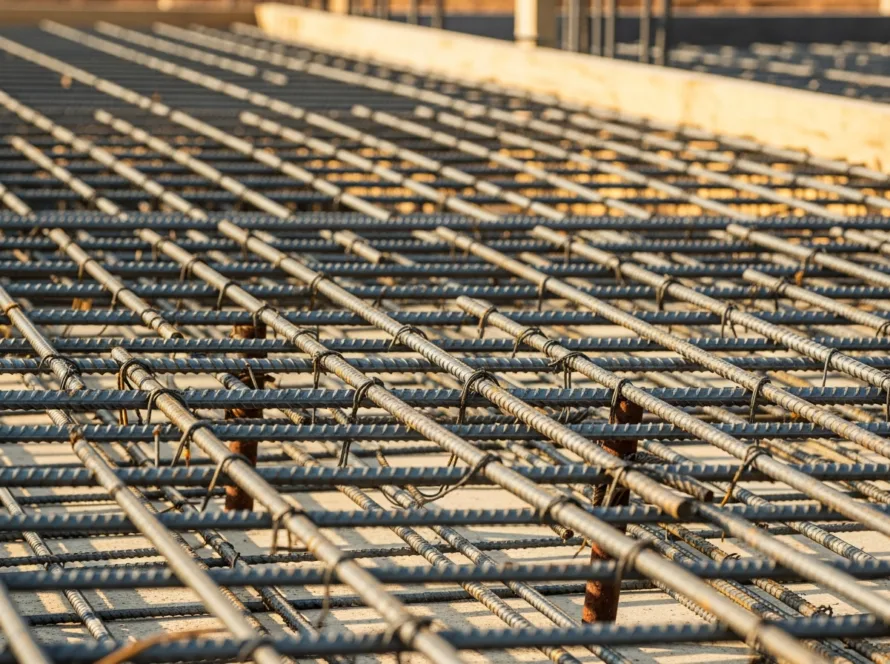


A leak never shows up where the water gets in. It travels — along a beam, down a wall, through a slab — and appears months later as a damp patch two rooms away, long after the person who caused it has been paid and gone. By then the fix means opening finished surfaces to chase water backwards. That is why waterproofing is not a coating you add at the end. It is a stage you build in, correctly, the first time.
Good waterproofing is quiet: you never think about it because nothing ever leaks. This is a builder’s full guide to waterproofing a home — where water actually enters, the early warning signs of trouble, which method suits each zone, a stage-by-stage checklist for a new build, and how to choose honest waterproofing services in Hyderabad whether you are building fresh or fixing an old leak.
- The short answer
- Why waterproofing fails
- Early signs your home has a problem
- Where water actually gets in
- Waterproofing methods, and where each fits
- Terrace and roof, done right
- Bathrooms and sunken slabs
- Basement, plinth and external walls
- Waterproofing during the build vs fixing it later
- A stage-by-stage waterproofing checklist
- How to check it was done right
- Waterproofing services in Hyderabad
- Common questions
The short answer
Why waterproofing fails
Waterproofing rarely fails because the chemical was bad. It fails because of the small things around it — and every one of them is decided by the care of the team, not the price of the product.
- Done at the wrong stage. Applied after tiling, or skipped on a sunken slab, it can never do its job. Sequence is everything.
- No slope. A flat terrace with no gentle fall to the drain holds water. Standing water finds every weak point given time.
- Weak detailing at joints and corners. Where the floor meets the wall, around drain mouths and pipe outlets — that is where leaks begin, not in the open middle.
- No ponding test. If the surface was never flooded and watched for 48 hours before tiling, nobody actually confirmed it holds water.
- Poor concrete underneath. Waterproofing sits on top of the structure; if the concrete itself is weak or porous, the coating is fighting a losing battle. It starts with the right cement and dense, well-cured concrete.
Early signs your home has a problem
Water damage almost always announces itself quietly before it becomes obvious. Catching it early is the difference between a small fix and opening up finished rooms. Watch for these:
- Damp patches or dark rings on ceilings and walls, often far from the actual source.
- Efflorescence — a white, powdery, salt-like deposit on walls, a sure sign water is moving through the masonry.
- Peeling or bubbling paint and blistered plaster, especially near bathrooms, terraces and external walls.
- A persistent musty smell in a room, cupboard or basement even when it looks dry.
- Hairline cracks in walls that let water creep in and worsen with each monsoon.
One of these is worth watching; two or more together mean water is already getting in, and the sooner the cause is traced, the cheaper it is to stop.
Where water actually gets in
Water is patient and it only needs one weak point. These are the zones that matter, in order of how often they cause trouble.
| Zone | Why it leaks | What it needs |
|---|---|---|
| Terrace & roof | Standing rainwater, sun cracking the surface, blocked drains | Correct slope to drains, a durable membrane or coating, protected screed on top |
| Bathrooms & sunken slabs | Constant water, pipe joints, the sunken area holding moisture | Box-type waterproofing of the whole sunken slab before filling, sealed pipe outlets |
| Balconies & utility areas | Open to rain, a step down that traps water at the door | Slope away from the door, sealed thresholds, drainage |
| Basement & plinth | Ground water pushing up and in, high water table | Waterproofing on the water-facing side, proper drainage around the structure |
| External walls | Driving monsoon rain, hairline cracks | Dense plaster, good paint system, sealed window edges |
Waterproofing methods, and where each fits
People ask which chemical or method is best. The honest answer is that there is no single winner — the right method depends on the surface and how much water it faces.
| Method | How it works | Best for |
|---|---|---|
| Liquid membrane (acrylic / PU) | Brushed or rolled on, cures into a seamless flexible film | Terraces, balconies, bathroom floors — seamless over tricky shapes |
| Crystalline / integral | Chemicals that seal the concrete itself from within | Water tanks, basements, sunken slabs — water-facing concrete |
| Sheet / bituminous membrane | Rolled sheets torched or bonded down | Large flat roofs and terraces where a tough layer is wanted |
| Cementitious coating | Cement-based slurry, rigid and simple | Tanks and internal wet areas with little movement |
The method matters less than the hands applying it and the stage it is applied at. A modest product laid correctly, with proper slope and detailing, beats the most expensive chemical rushed on at the wrong time.

Terrace and roof, done right
A terrace is the single largest surface catching rain, and Hyderabad homes lean towards flat roofs. Done right, the concrete is first given a gentle slope towards the drains — water should never sit still. The membrane or coating is taken up the parapet by a few inches so water cannot creep behind it, and every drain mouth and pipe outlet is sealed with care. A protective screed or tile then shields the waterproofing from the sun, which is what ages it. Finally — and this is the step most sites skip — the terrace is flooded and watched for a couple of days before anything is laid on top. If it holds water there, it will hold water for years.
Bathrooms and sunken slabs
Bathrooms fail quietly because the water is constant and the slab is sunken to hide the plumbing. The whole sunken area should be waterproofed like a box — floor and walls up to a safe height — before it is filled, and every pipe passing through is sealed at the point it crosses. Get this wrong and the first sign is a damp ceiling in the room below, months later, with no cheap way to reach the cause. Get it right and a bathroom stays dry for the life of the home.
Basement, plinth and external walls
The zones people forget are often the ones that cause the most stubborn damp. A basement fights ground water pushing in from every side, so it needs waterproofing on the water-facing face and proper drainage routed around the structure to relieve the pressure — a leaking basement is one of the hardest defects to fix after the fact. The plinth, where the building meets the ground, needs a damp-proof course so moisture cannot rise up into the walls. And external walls take the full force of the monsoon: dense plaster, a quality exterior paint system, and sealed window and door edges keep driving rain out. These are exactly the parts a rushed build skips — and exactly where a home that will stand for decades is quietly protected, alongside the rest of the house construction.
Waterproofing during the build vs fixing it later
The cheapest waterproofing you will ever buy is the layer put in while the home is being built. The most expensive is the repair after a leak has travelled through finished rooms. This is the honest economics of it.
| Built in during construction | Repaired after a leak | |
|---|---|---|
| Access | Open surfaces, easy to reach every corner | Break tiles, plaster and finishes to reach the source |
| Reliability | Whole zone sealed as a system, tested before covering | A patch on a problem you often cannot fully trace |
| Disruption | None — it is just part of the build | Rooms out of use, dust, and repeated attempts |
| Cost over time | A small planned line item | Repair, redecoration, and often a return of the leak |
An existing home can absolutely be waterproofed — many are, successfully — but it always costs more effort than doing it once, at the right moment, in a new build. This is one of the quiet advantages of turnkey home construction, where waterproofing is planned into the programme rather than remembered after the leak.
A stage-by-stage waterproofing checklist
Waterproofing is not one job; it happens at several points as a home rises. Here is where it belongs, in order.
- Foundation & plinth: damp-proof course and, where the water table is high, waterproofing on the retaining and basement faces.
- Sunken slabs (bathrooms, utility): box-type waterproofing of the whole sunken area, pipe outlets sealed, before filling.
- Terrace & roof: slope formed, membrane taken up the parapet, drains sealed, ponding test, protective screed on top.
- Balconies & open areas: slope away from doors, sealed thresholds and drainage.
- External walls & openings: dense plaster, sealed window and door edges, a good exterior paint system.
- Before handover: a final rain-simulation or ponding check on the high-risk zones, with photos.
How to check it was done right
Waterproofing disappears under tiles and screed, so you must verify it while you still can. None of this is difficult to ask for.
- A ponding test on every terrace and bathroom — the surface flooded and watched for 48 hours — with photos, before tiling.
- Confirmation of slope towards drains on terraces and balconies, not a dead-flat surface.
- Photos of the sunken-slab box waterproofing before it was filled.
- The product and method used in writing, and where each was applied.
- A written warranty on the waterproofing, and what it covers.
A builder who plans waterproofing as a proper stage will offer most of this before you ask. Hesitation here is the warning worth listening to — because this is the one defect that is cheap to prevent and painful to repair. It is the same discipline that separates a genuine construction company in Hyderabad from a cheaper crew that cuts what you cannot see.
Waterproofing services in Hyderabad
Hyderabad’s monsoon arrives hard and its homes favour flat terraces — a combination that punishes any shortcut on the roof. In low-lying areas and near lakes, a higher water table means the basement and plinth need as much attention as the roof. And the same sun that makes a terrace pleasant in winter is what cracks an unprotected waterproofing layer, which is why the protective screed on top is not optional — the roof build-up is also the single biggest lever in sustainable home construction in Hyderabad, since no surface takes more heat. When you look for waterproofing services in Hyderabad, the real question is not the brand of chemical but whether it is planned as a stage, tested before covering, and backed in writing. Planning all of this before the slab is cast — not reacting to a leak two monsoons later — is exactly the kind of foresight a design-and-build team that plans and builds under one roof is meant to bring.
Want a home that simply never leaks?
We build waterproofing in as a proper stage — slope, detailing, ponding tests and photos — across every home we design and build in Hyderabad and Goa.
Common questions
Which is the best waterproofing method for a terrace?
There is no single best method. A liquid membrane suits most terraces because it is seamless over tricky shapes; large flat roofs sometimes take a sheet membrane. What matters more than the product is correct slope to the drains, detailing up the parapet and around outlets, a protective screed on top, and a ponding test before tiling.
Is waterproofing necessary for a new terrace?
Yes. A bare concrete terrace will eventually let water through hairline cracks and joints, especially in a hard monsoon. Waterproofing at the right stage, with proper slope and a protective layer, is far cheaper than chasing a leak through finished rooms later.
Which chemical is used for terrace waterproofing?
Common choices are acrylic or polyurethane liquid membranes, bituminous sheet membranes, and cementitious or crystalline coatings. The right one depends on the surface and exposure. Application quality — stage, slope and detailing — decides the result more than the chemical itself.
How do I know waterproofing was done properly?
Ask for a ponding test with photos on every terrace and bathroom before tiling, confirmation of slope towards drains, photos of sunken-slab box waterproofing before filling, the product and method in writing, and a written warranty. If a surface was never flooded and watched, nobody has actually proven it holds water.
Can you waterproof an existing house?
Yes. An older home with damp or leaks can be waterproofed — the leak is traced, the affected zone opened, treated with the right method and re-finished. It costs more effort than doing it during construction because finishes must be broken and restored, but a good team can stop even a stubborn, long-standing leak at its source.
How long does waterproofing last?
Done well and protected from the sun, a terrace waterproofing system lasts many years — often a decade or more — while internal wet-area waterproofing, kept undisturbed under tiles, can last the life of the home. What shortens it is UV exposure on an unprotected surface, movement cracks, and poor detailing at joints, which is why the protective screed and careful edges matter so much.
Waterproofing is a stage with its own sign-off in the way we build, not a job squeezed in the week before tiling. You can see the homes it was done on in our projects.
Building wet areas, or chasing a leak that keeps coming back?
Send us the floor plan and a photo of where the water shows. We will tell you which stage it most likely went wrong at — before anyone starts breaking tiles.
Written by the Simfy Homes team. We design and build homes in Hyderabad and Goa under one accountable team. See our guides to materials for house construction, why walls crack, and house construction in Hyderabad.