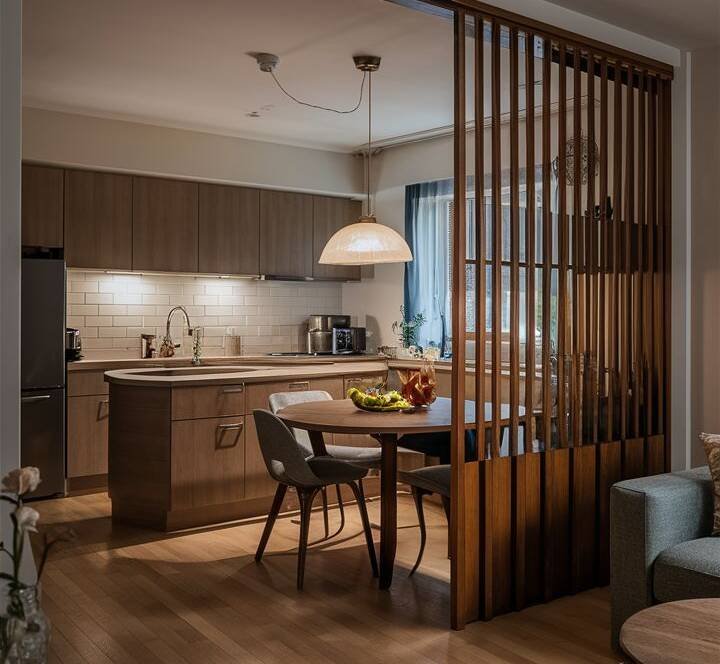
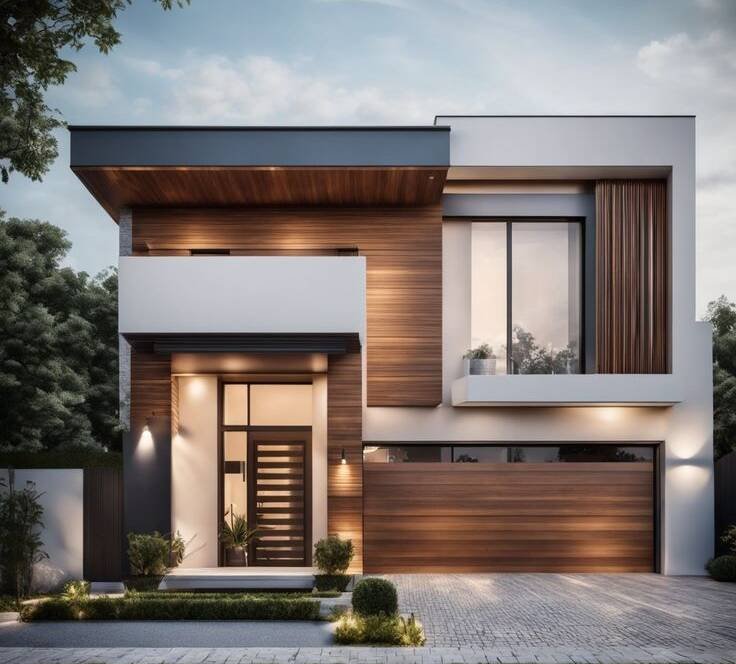
Vernacular minimal homes in India draw from regional wisdom while responding to modern living needs. Instead of following global design trends, these homes evolve from local climate, materials, and cultural practices. Minimalism here is not about emptiness but about clarity, efficiency, and comfort rooted in context.
What Defines Vernacular Minimal Homes
Vernacular architecture reflects how people traditionally built homes using what was locally available and climatically suitable. When combined with minimal design thinking, it focuses on reducing excess while strengthening purpose. Spaces are designed for daily use rather than visual impact. Every wall, opening, and material serves a clear function.
Planning Principles for Vernacular Minimal Homes
- Climate Responsive Layouts
Planning begins with climate awareness. Homes are oriented to capture natural light, cross ventilation, and shade. Courtyards, verandahs, and thick walls help regulate indoor temperatures without mechanical systems.
2. Simple Spatial Zoning
Spaces flow logically from public to private areas. Circulation is clear and compact, reducing unnecessary corridors and built up area. This improves usability and lowers construction impact.
3. Indoor Outdoor Connection
Minimal vernacular homes often blur the boundary between inside and outside. Open courtyards, semi covered spaces, and large openings encourage interaction with nature while maintaining privacy.
Material Choices Rooted in Place
Material selection is central to vernacular minimal homes in India. Locally sourced materials reduce transportation impact and perform better in regional climates. Natural stone, exposed brick, lime plaster, and clay tiles are commonly used for their durability and breathability. These materials age gracefully and require less chemical treatment. Their textures become part of the design rather than something to hide. Using fewer finishes also simplifies maintenance and reinforces the minimalist intent.
Construction Details That Matter
Details define the success of minimal vernacular homes. Junctions between walls and roofs are designed to manage rainwater and heat. Deep overhangs protect walls from harsh sun and monsoon exposure. Window sizes and placements are carefully planned to balance light and ventilation. Built in furniture and storage reduce clutter and eliminate the need for additional elements. These small decisions collectively enhance comfort and longevity.
Why Vernacular Minimal Homes Work in the Indian Context
India’s diverse climate zones demand architecture that adapts rather than resists. Vernacular minimal homes respond naturally to heat, humidity, and seasonal changes. They rely less on artificial cooling and more on passive design strategies. This results in homes that feel calm, stable, and deeply connected to their surroundings.
Vernacular minimal homes in India succeed when planning, materials, and detailing are guided by context rather than trends. Understanding local climate and building traditions leads to spaces that are efficient, timeless, and comfortable.
Before finalizing a home design, evaluate how regional materials and climate responsive planning can shape a simpler and more resilient living environment.