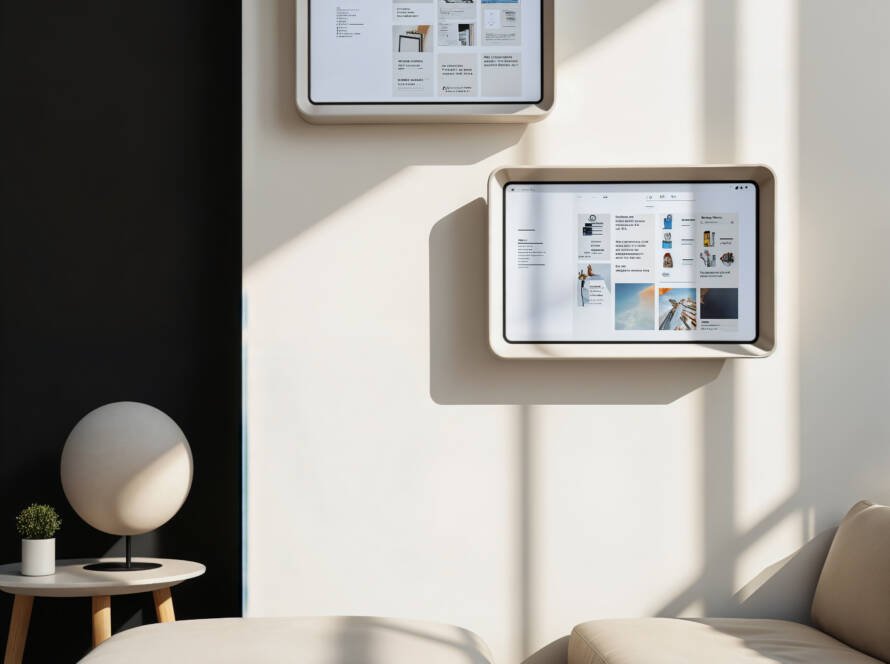
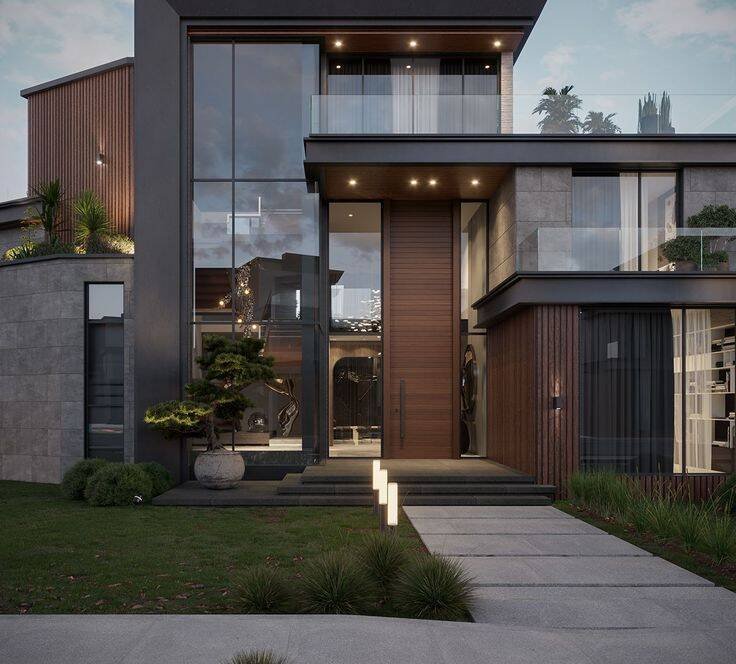
Tactile minimalism in Indian home design is shaping a new approach to contemporary living. Minimalism in Indian homes is evolving in a quiet yet meaningful way. Instead of stark whites and empty spaces, modern interiors now embrace warmth, texture, and sensory comfort. This design shift values simplicity while focusing equally on how a space feels, not just how it appears. Rather than removing character, tactile minimalism refines it. As a result, textures, materials, and proportions take center stage, creating interiors that feel calm, intentional, and enduring.
Understanding Tactile Minimalism
Tactile minimalism relies on restraint without creating cold or impersonal spaces. Instead of visual clutter, it introduces sensory depth that allows residents to experience a home through touch, movement, and light.
Key characteristics include:
- Emphasis on natural and honest materials
- Limited yet well balanced color palettes
- Clean architectural lines softened by texture
- Design decisions driven by purpose rather than trends
Consequently, this approach resonates strongly with Indian homeowners who seek composed, timeless interiors instead of decorative excess.
Why This Design Language Is Gaining Ground in India
Indian living has always embraced tactile experiences cool stone floors, aging wood, and materials that tell stories over time. Therefore, tactile minimalism builds naturally on this foundation while adapting to contemporary lifestyles.
It suits:
- Urban homes that require calm and clarity
- Villas that balance luxury with everyday comfort
- Long term residences where durability matters
Moreover, in projects involving turnkey villa construction Hyderabad, this philosophy ensures seamless continuity from architecture to interiors, allowing each space to flow effortlessly.
Materiality as the Core Design Expression
In tactile minimalist homes, materials replace ornamentation. Designers select walls, floors, and surfaces based on how they interact with light, touch, and time. As a result, spaces feel grounded and authentic.
Common design elements include:
- Lime plaster or textured finishes that age gracefully
- Natural stone with subtle tonal variations
- Solid wood surfaces highlighting natural grain
- Soft matte finishes that reduce visual noise
- Layered lighting that enhances depth rather than glare
Even homes developed by the best home construction company prioritize architectural clarity and material integrity over visual excess.
A Quiet and Enduring Form of Luxury
As Indian home design continues to evolve, tactile minimalism offers a balanced path modern yet rooted, minimal yet warm. Instead of chasing trends, it encourages investment in quality, longevity, and emotional comfort. For homeowners planning a new residence or villa, this approach provides a design language that adapts gracefully to changing lifestyles while maintaining calm and purpose.
A Quiet Form of Luxury
Ultimately, tactile minimalism reshapes the meaning of luxury. It moves away from bold statements and focuses on how spaces support daily life. Silence, openness, and material honesty define true sophistication. Consequently, such homes feel composed rather than curated, helping residents slow down and connect deeply with their surroundings.
If you are exploring contemporary residential design, tactile minimalism is not just a style it is a considered way of living.