As Indian cities continue to densify, sustainability in home design has shifted from being an optional value to a practical necessity. Urban Indian climates marked by intense heat, monsoons, humidity, and rising energy demands require homes that respond intelligently to their environment. Sustainable design, in this context, is less about visible technology and more about thoughtful planning, material choices, and long term adaptability.
Designing with Climate, Not Against It
Climate responsive architecture has long been embedded in traditional Indian homes. Contemporary sustainable design builds on this wisdom by aligning orientation, spatial planning, and material selection with local weather conditions.
Key considerations include:
- Proper building orientation to reduce direct heat gain
- Cross ventilation to encourage natural airflow
- Shaded openings and transitional spaces to moderate indoor temperatures
Such strategies reduce dependency on mechanical cooling while improving everyday comfort.
Material Choices That Support Urban Living
In dense urban settings, materials play a critical role in regulating indoor conditions. Sustainable homes prioritize materials that perform well thermally while aging gracefully.
Often adopted approaches include:
- Locally sourced stone and brick to reduce heat absorption
- Lime-based plasters that allow walls to breathe
- Natural finishes that regulate humidity
These principles are increasingly applied in residential projects, including those involving turnkey villa construction Hyderabad, where long term performance is as important as aesthetics.
Water Sensitivity in City Homes
Urban sustainability extends beyond energy efficiency to responsible water management. With fluctuating rainfall and increasing demand, homes must be designed to conserve and reuse water intelligently.
Common practices involve:
- Rainwater harvesting integrated into the site design
- Permeable landscaping to support groundwater recharge
- Efficient plumbing layouts that minimize wastage
Such measures ensure resilience during both monsoon and dry seasons.
Energy Efficiency Through Passive Design
Rather than relying solely on technology, sustainable homes use passive strategies to maintain thermal comfort.
This includes:
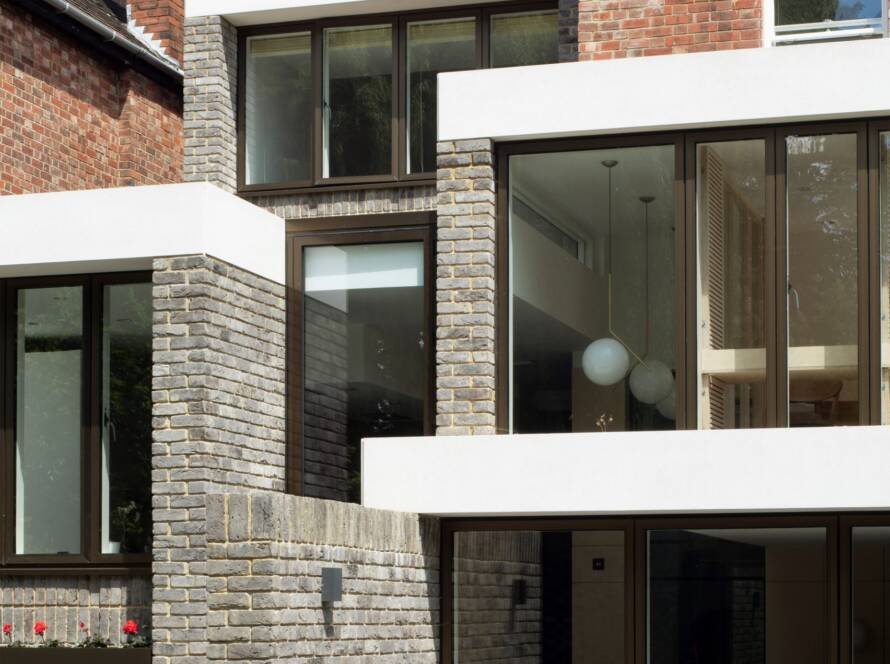
- Deep overhangs and recessed windows for shade
- Courtyards or light wells that enhance airflow
- Thermal mass elements that stabilize indoor temperatures
Even in projects delivered by the best home construction company, these understated design decisions often have the greatest long term impact.
Sustainability as a Lifestyle Choice
Sustainable home design in urban India is ultimately about balance between modern convenience and environmental responsibility, density and openness, growth and restraint. When sustainability is embedded at the design stage, it becomes a natural part of daily living rather than an added feature.
When planning a contemporary urban home, reflecting on climate responsive and sustainable practices can shape spaces that are resilient today and adaptable for the future without compromising on quality, comfort, or architectural clarity.