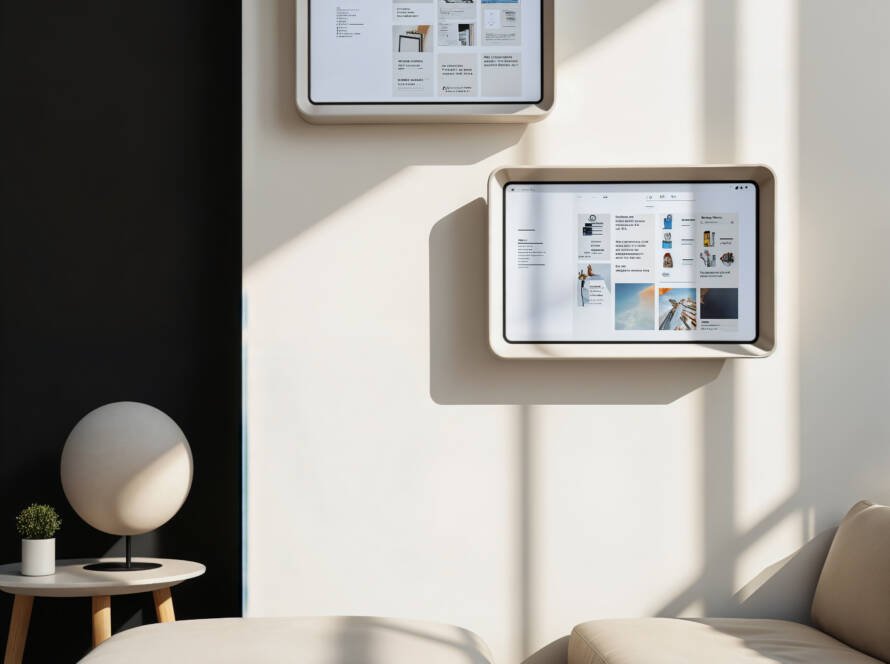
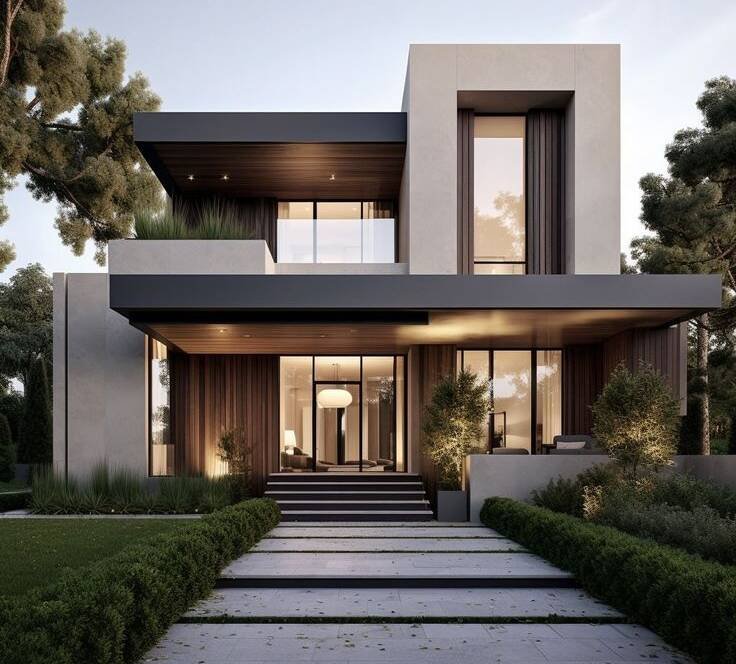
Modern design isn’t just about what you see it’s about what you feel. Sensory interior design moves beyond surface-level beauty to create rooms that evoke emotion through light, texture, sound, scent, and color. It transforms everyday environments into living experiences that comfort and inspire.
The Science of Sensory Design
Sensory interior design is rooted in environmental psychology the study of how surroundings affect human behavior and mood. Designers use a concept called multisensory integration, which means blending sensations like sight, touch, and sound to influence feelings and perception. For instance, soft diffused lighting can ease stress, while warm natural materials can make spaces feel welcoming. This holistic approach ensures that design appeals not just to the eyes but to the entire body and mind.
Connection to Biophilic Design
Another theoretical influence is biophilic design, which emphasizes humans’ innate connection with nature. Incorporating natural light, earthy textures, and greenery into interior spaces enhances emotional well-being and concentration. It’s why homes with plants, wood finishes, or stone surfaces often feel more balanced and restorative. Biophilic principles complement sensory design by reintroducing nature’s patterns, sounds, and scents into modern living helping you “feel” your surroundings in a grounded way.
Engaging the Five Senses
Each sense plays an individual role in shaping comfort, awareness, and emotion within home interiors.
1. Touch and Texture
Textures influence energy and comfort. Cozy fabrics like cotton or velvet, tactile flooring, and handcrafted details bring a sensory rhythm to interiors.
2. Sound and Silence
Controlled acoustics enhance daily life. Rugs, curtains, and furniture help absorb noise, creating calm, uninterrupted zones for relaxation or focus.
3. Light and Shadow
Natural daylight boosts alertness, while soft ambient lighting creates intimacy. Using layered lighting adds versatility for every mood and activity.
4. Scent and Memory
Scent has a direct connection to the brain’s emotional center. Subtle aromas from eucalyptus, jasmine, or sandalwood can make spaces smell inviting and memorable.
5. Color and Emotion
Color psychology plays a big role in how we perceive a room. Blues calm, greens heal, yellows inspire creativity, and reds energize. Balancing them enhances overall harmony.
Emotional Impact of Sensory Spaces
Design that engages multiple senses influences emotion profoundly. A well-thought-out sensorial environment helps reduce anxiety, improve focus, and elevate mood. Sensory cues like soft music, sunlight flickering through curtains, or the smoothness of polished wood can guide emotional responses subconsciously. This is what makes sensory interior design transformative: it designs for the person first, not just the furniture or the aesthetic.
Bringing Sensory Awareness into Everyday Life
- Begin with small adjustments scented candles, natural fabrics, or warm lights.
- Introduce elements that ground you, such as plants or textured rugs.
- Observe how each room affects your emotions and refine it to match your ideal atmosphere.
Ready to explore interiors that engage the senses and emotions alike? Dive deeper into the art of mindful design at Simfy Homes.