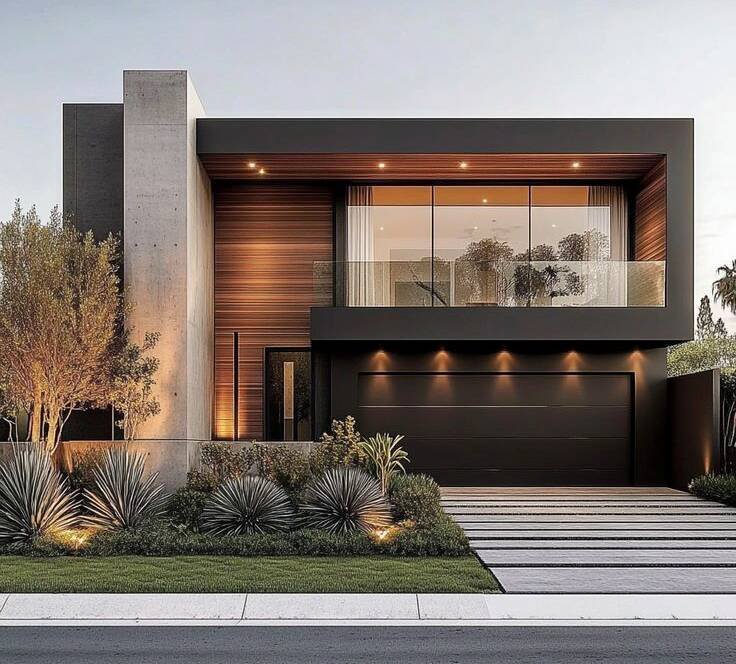
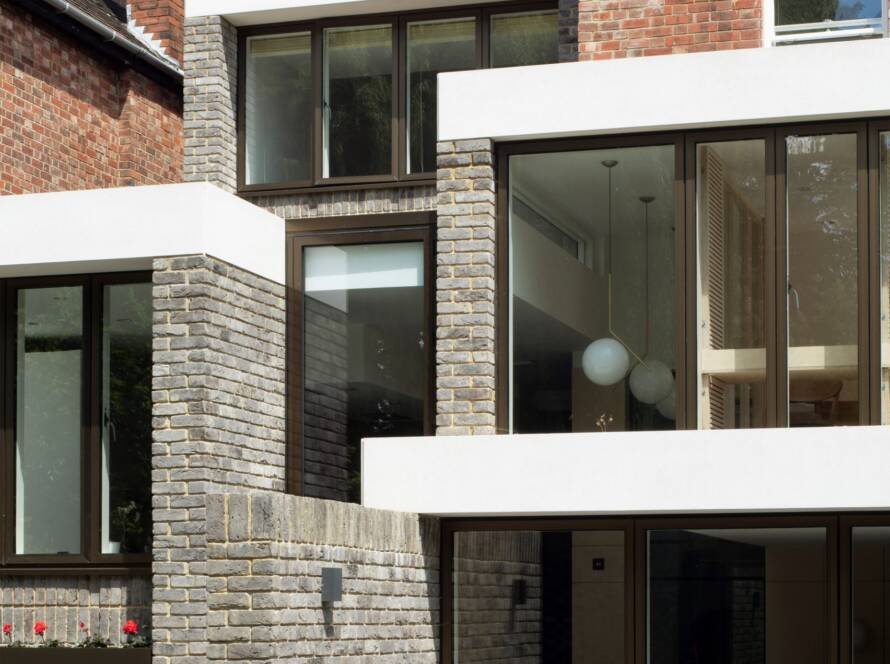
In contemporary home design, restraint has become a powerful design statement. Among the most enduring expressions of this philosophy is the monochromatic interior palette a design approach that relies on variations of a single color to create spaces that feel composed, refined, and architecturally elegant. Far from being flat or monotonous, monochromatic interiors reveal how subtle shifts in tone, texture, and light can define luxury in its quietest form.
Understanding Monochromatic Design Beyond Color
A monochromatic palette does not imply uniformity. Instead, it is an exercise in nuance. By layering shades, finishes, and materials within one color family, designers achieve depth without visual clutter.
This approach emphasizes:
- Tonal variation rather than contrast
- Material richness over decorative elements
- Architectural clarity supported by color discipline
The result is a space where elegance emerges from cohesion rather than complexity.
How Monochromatic Palettes Enhance Spatial Perception
One of the most compelling qualities of monochromatic interiors is their ability to influence how a space is perceived.
Key spatial impacts include:
- Visual continuity: Fewer color breaks allow the eye to travel smoothly, making spaces feel larger and more fluid.
- Heightened proportions: Walls, ceilings, and floors blend seamlessly, subtly enhancing scale.
- Calm visual rhythm: The absence of abrupt contrasts creates a sense of balance and composure.
In residential architecture, particularly in villas and expansive homes, this continuity supports a sense of openness and architectural intent.
Texture: The Silent Contributor to Elegance
In monochromatic interiors, texture becomes the primary design language. When color is restrained, surfaces must carry the emotional and visual weight of the space.
Common textural strategies include:
- Matte walls paired with softly reflective stone or wood
- Fabric upholstery layered against structured architectural elements
- Natural finishes that reveal grain, veins, and imperfections
Such detailing is frequently seen in thoughtfully executed residential projects, including those associated with turnkey villa construction Hyderabad, where palette control ensures design consistency across spaces.
Light as a Design Partner
Lighting plays a decisive role in monochromatic environments. Natural and artificial light interact with tonal surfaces, revealing subtle shifts throughout the day.
Well considered lighting:
- Accentuates depth within a single color family
- Prevents visual flatness
- Highlights architectural details without overpowering the palette
This interaction between light and surface is what elevates monochromatic interiors from simple to sophisticated.
Emotional Influence of Single Color Schemes
Beyond aesthetics, monochromatic palettes influence how a space feels. Neutral and muted tones often evoke calm, focus, and a sense of order qualities increasingly valued in modern homes.
Such interiors:
- Reduce sensory overload
- Encourage mindful living
- Support long term comfort rather than short term visual impact
It is for this reason that many design led residences, even those delivered by the best home construction company, rely on monochromatic foundations to ensure timeless appeal. Monochromatic interiors reflect a broader shift in how homes are designed and experienced. They prioritize clarity over decoration and longevity over trends. When executed with precision, they allow architecture, materials, and light to speak for themselves.
Planning a refined, functional home? Simfy Homes is here to turn your vision into reality. Contact us today.